Header start
- Home
- News Index
-
News
News
Keio Colloquium 2026 Held
April 3, 2026
On Tuesday, March 3, Keio Colloquium 2026 was held at the West School Building Hall and classrooms on Mita Campus. The event was organized by the student executive committee as part of the Keio-SPRING Project*, which supports doctoral students.
On the day of the colloquium, approximately 160 participants attended in person while about 70 participants joined the event online, for a total of about 230 participants. Doctoral students from across various fields of expertise gathered for a cross-disciplinary exchange that was conducted in English.
The event kickstarted with a keynote speech delivered by the Representative Director, President, and CEO of Datasection Inc., Norihiko Ishihara, and Professor Yu Xiong from the University of Surrey, who is a Fellow at the UK-based Academy of Social Sciences. The speakers gave a passionate lecture on career prospects for Ph.D. holders from both practical and academic perspectives. Both speakers also shared their insights on the ever-evolving nature of AI technology.
After that, during the morning breakout session, participants held lively discussions on four themes: Food, Climate Change, Future of Work, and Ethics of AI.
In the student session held later that afternoon, final-year doctoral students delivered presentations on their research, followed by questions and feedback on those presentations. Participants were free to roam around the event venue and share their impressions and feedback spontaneously.
Next, during the Keio-SPRING Presentation, which serves as a forum for showcasing the outcomes of career development and training programs implemented by the Keio-SPRING project, participants in three programs—ADC (Art/Design/Communication) Program Tohoku Tour, Global Citizenship Program, and the Ph.D. Eggs—shared their learning points and future challenges.
Finally, in the co-creation session held towards the end of the event, four representatives gave presentations on the summaries of the discussions they held during the earlier breakout session.
The event ended on a lively note, with representatives voicing their thoughts and impressions in the closing segment.
As the largest exchange platform on campus for doctoral students, the Keio Colloquium provided a major opportunity for new joint research and networking across areas of expertise.
*Funded by the Japan Science and Technology Agency (JST) Support for Pioneering Research Initiated by the Next Generation (SPRING) program, this project aims to foster aspiring doctoral students
■Keio-SPRING Project
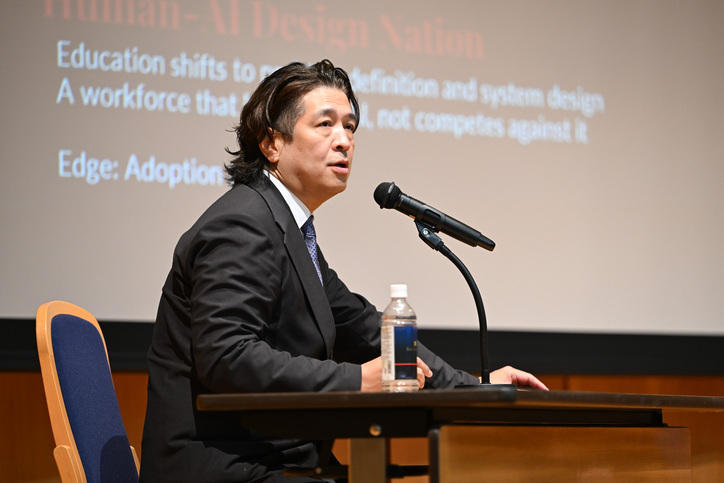
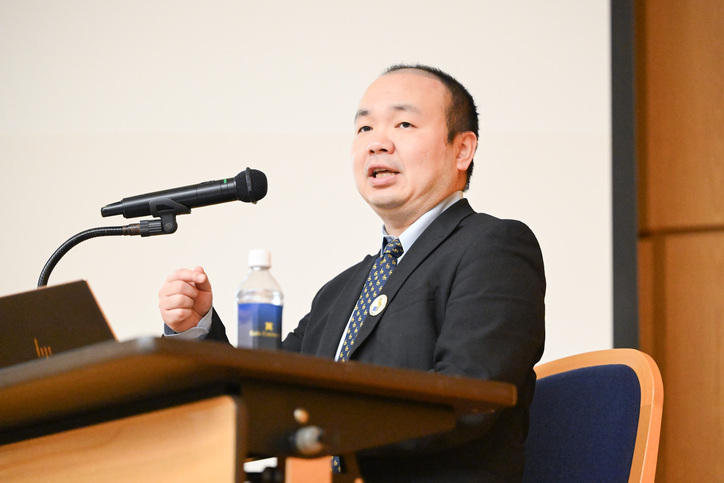
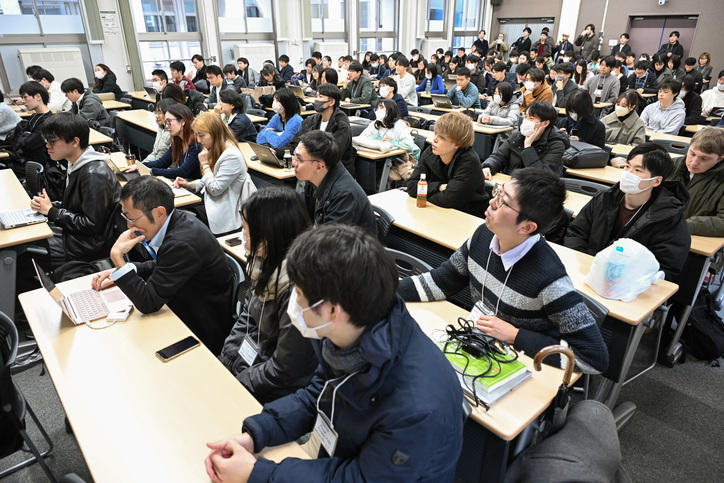
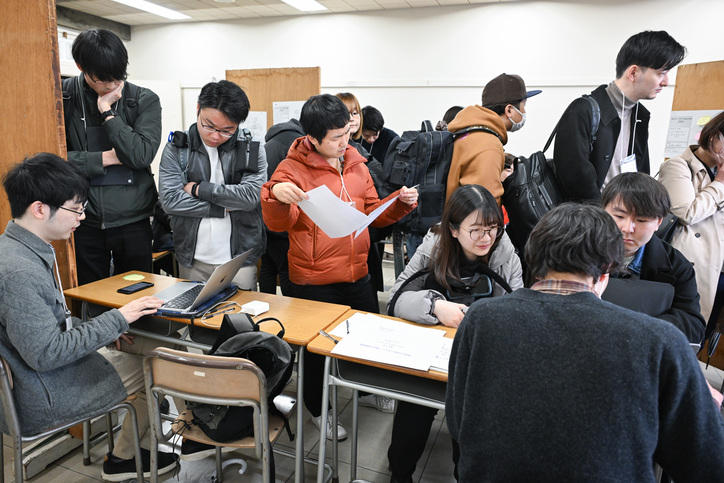
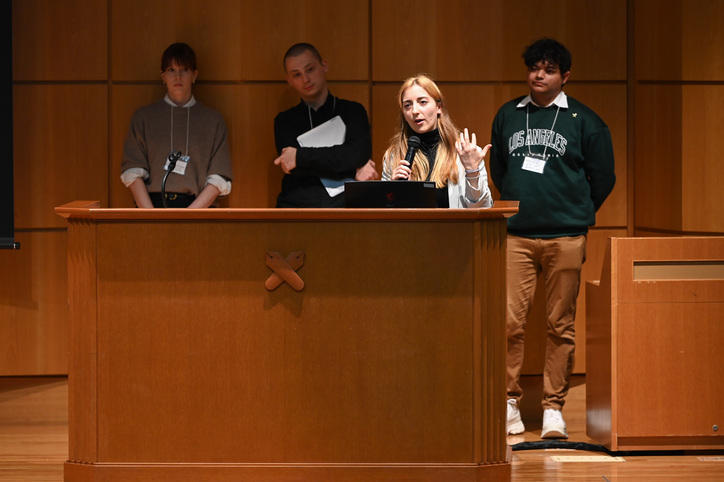
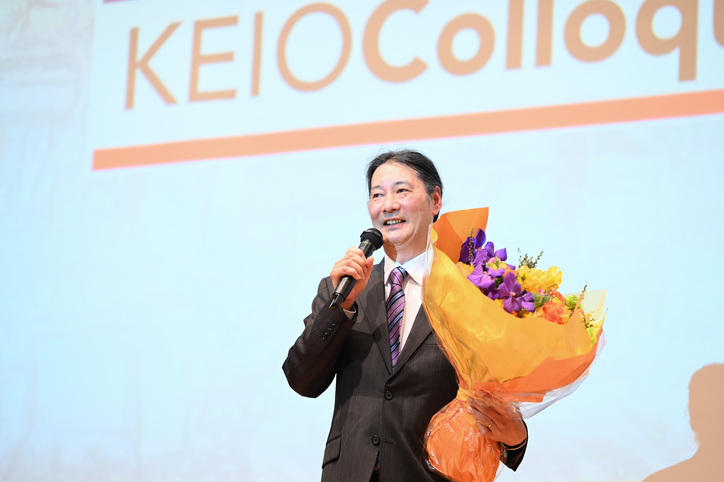
Photo: Aki Takematsu