
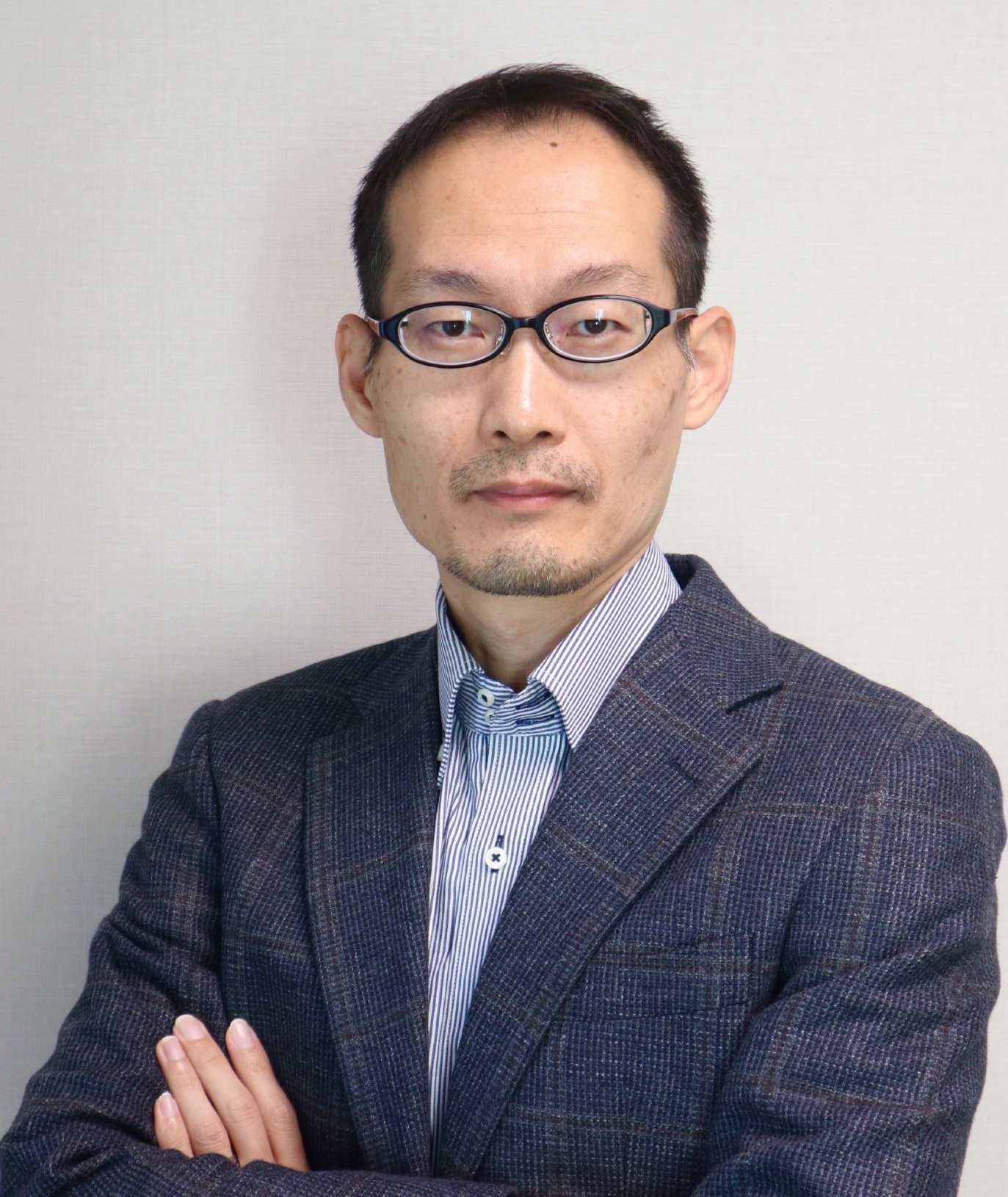
Konishi, Yoshifumi
コニシ ヨシフミ
Konishi, Yoshifumi
Faculty of Economics/ProfessorBasic Information
Specialty
Empirical Microeconomics, Environmental Economics, Applied Microeconometrics
Biography
Research experience
慶應義塾大学 経済学部 教授
三菱経済研究所 兼務研究員
University of Tokyo Economic Consulting
Research
Reseach overview
My research focuses on the causal effects and underlying mechanisms of environmental policies (institutions and interventions). By conducting high-quality empirical research grounded in empirical microeconomics — integrating economic theory, data science, causal inference and structural estimation methods — I aim to generate expert knowledge and insights that contribute to the design of more effective environmental policies. My work covers a broad range of topics, including carbon pricing, emissions trading, electricity markets and energy storage, ridesharing and the environment, and economic geography and the environment. Environmental problems have become far more advanced and complex today than in the past. Today’s environmental challenges are difficult to solve through technology or behavioral changes alone. In response to this increasing complexity, environmental economics has continued to evolve, with my field of specialization representing one of its most advanced frontiers. At the same time, AI has advanced at an extraordinary pace and now possesses knowledge and reasoning capabilities that far exceed those of any individual. The more sophisticated the prompts you provide, the more sophisticated the answers AI can generate. In this sense, AI is like a highly capable assistant whose usefulness depends on your own level of knowledge and skill. This means that, during your time at university, you must acquire the knowledge and abilities necessary to effectively make use of such highly capable tools. Beyond acquiring expertise in economics, this requires developing the ability and skills to generate meaningful questions grounded in economic intuition, to think flexibly and logically by integrating and separating ideas as needed, and to identify causal effects and causal mechanisms from data. Above all, it requires the creativity to apply these skills to solving real-world environmental problems. At university, I strongly encourage you to acquire the foundational and specialized knowledge and skills necessary to think independently and to effectively leverage AI as a tool to extend your capabilities, rather than being passively shaped by it.
Research Interests
- Transportation and Environment
- Emissions Trading System
- Causal Inference
- Environmental Economics
- Empirical Microeconomics
- Structural Estimation
- Carbon Pricing
- Economic Geography and Environment
Social Activities