
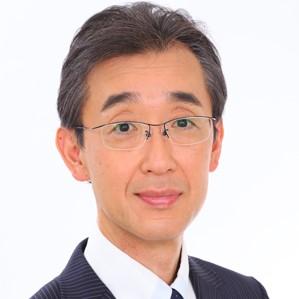
Tsuji, Tetsuya
ツジ テツヤ
Tsuji, Tetsuya
School of Medicine Department of Rehabilitation Medicine/ProfessorBasic Information
Specialty
Rehabilitation Medicine, Clinical Neurophysiology, Exercise Physiology, Exercise Oncology
Related Links
Researcher Number
90245639
Paper Review Qualification
Thesis Guide Qualification in the Graduate School of Medicine : Master/Doctor
Biography
Research experience
keio University Hospital Rehabilitation Medicine resident
Keio University Hospital Rehabilitation Medicine senior resident
Saitama Rehabilitation Center Rehabilitation Medicine
Research
Reseach overview
Rehabilitation medicine focuses on the diagnosis, assessment, and treatment of problems in movement, cognition, swallowing, and other functions, with the goal of improving daily life and activity. Progress in this field depends on a continuous cycle of basic and clinical research, evidence-based guideline development, professional training, high-quality clinical practice, and the use of clinical questions to generate new research. Our department’s research is built on three main areas: neurorehabilitation, cancer rehabilitation, and rehabilitation in regenerative medicine. In neurorehabilitation, we use knowledge from neurophysiology, exercise physiology, and neuroscience to develop advanced rehabilitation treatments. Working with the National Center of Neurology and Psychiatry, the Faculty of Science and Technology, and industry partners, we aim to create innovative therapies for disabilities that still have limited treatment options and to bring these therapies into real clinical use. In cancer rehabilitation, our goal is to improve both quality of life and healthy life expectancy for people with cancer. We conduct collaborative research with cancer-related clinical departments, the National Cancer Center, and Shizuoka Cancer Center to evaluate rehabilitation outcomes and to develop programs suited to different cancer types, treatment goals, and stages of disease. In regenerative medicine, rehabilitation plays an essential role in helping patients gain the full benefit of new treatments such as cell transplantation. As regenerative therapies become more widely used for patients with spinal cord, new ways are needed to predict recovery and design effective rehabilitation programs. In collaboration with the Departments of Physiology and Orthopedic Surgery, we are working to apply rehabilitation science to these emerging treatments. We also study a wide range of related topics, including assessment and exercise therapy for lymphedema using advanced imaging technologies, robotic rehabilitation in collaboration with engineering researchers and the Advanced Telecommunications Research Institute International (ATR), cardiac rehabilitation, community-based and disaster rehabilitation, specialized rehabilitation for a variety of diseases and disabilities, and rehabilitation psychology. As Japan’s population continues to age, rehabilitation must provide seamless support across the full continuum of care, from hospital treatment to life at home. In addition to primary diseases and comorbidities, rehabilitation must also address frailty, sarcopenia, dementia, and multiple overlapping impairments. Our university participates in the COI-NEXT program to help create a framework in which medical, welfare, and healthcare partners can provide rehabilitation services tailored to each individual’s needs. We welcome not only physicians but also physical therapists, occupational therapists, and speech-language-hearing therapists into our graduate programs. Through our master’s and doctoral programs, including specialized education in cancer rehabilitation, and in collaboration with Shizuoka Cancer Center and the National Cancer Center, we provide advanced training, research opportunities, and academic exchange. Our graduates are now active at leading cancer centers, universities, and other institutions throughout Japan.
Research Interests
- Physical Medicine and Rehabilitation
- Cancer Rehabilitation
- Exercise Physiology
- Clinical Neurophysiology
- Palliative Medicine
- Lymphedema
Research areas
Rehabilitation science
Basic brain sciences
Research theme
3次元Fiber grantingセンサ呼吸診断システムを用いた脳血管障害患者・筋ジストロフィー患者の夜間呼吸解析
Evaluation of a new fiber-grating vision sensor for assessing swallowing functions