
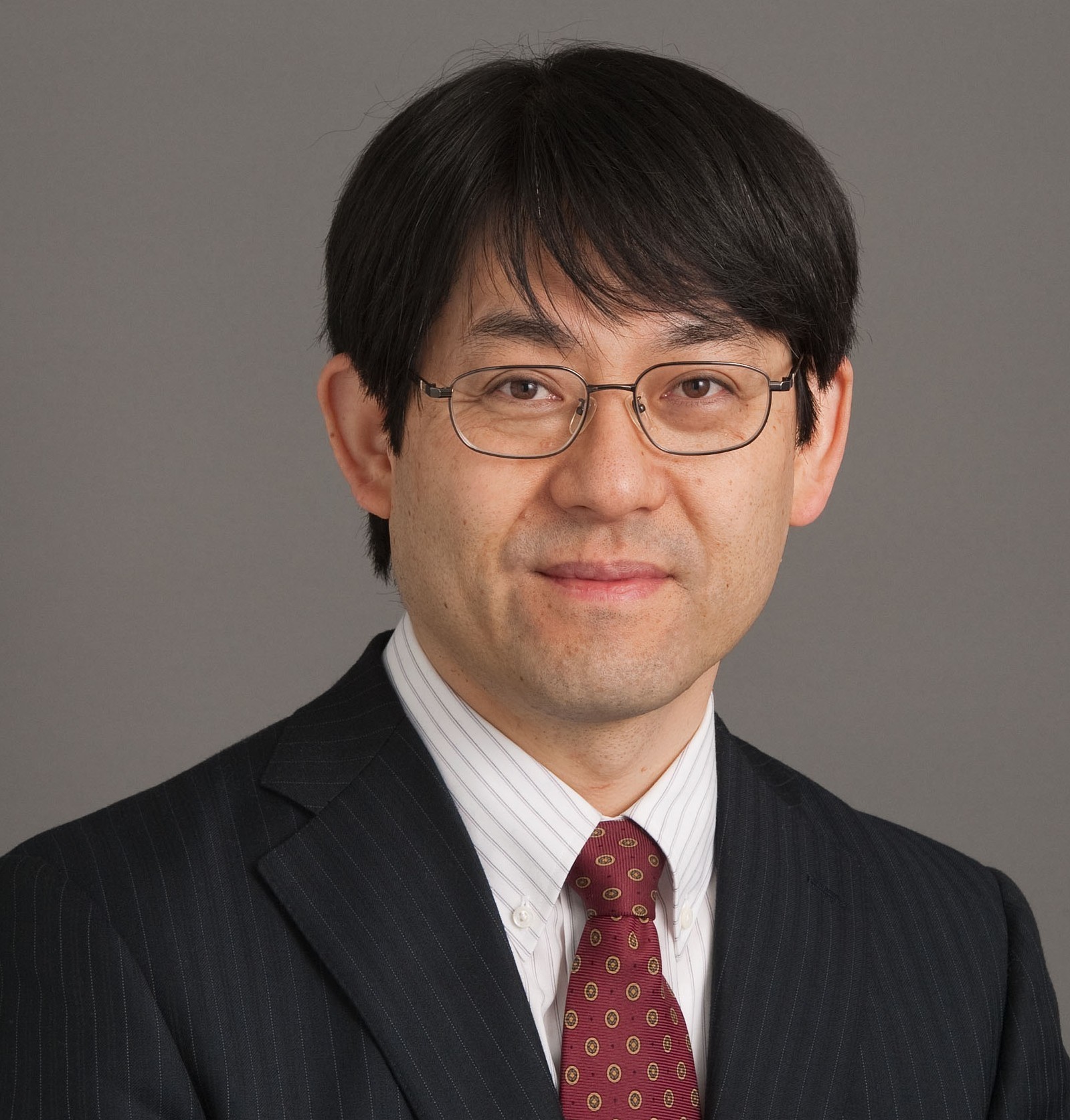
Yuzaki, Michisuke
ユザキ ミチスケ
Yuzaki, Michisuke
Research Centers and Institutes Human Biology-Microbiome-Quantum Research Center/Project Professor (Fixed-term)Basic Information
Specialty
Neuroscience
Related Links
Researcher Number
40365226
Paper Review Qualification
Thesis Guide Qualification in the Graduate School of Medicine : Master/Doctor
Biography
Researcher profile
2003 - Today Professor, School of Medicine, Keio University 2002 - 2003 Associate Professor, St. Jude Children's Research Hospital 1995 - 2002 Assistant Professor, St. Jude Children's Research Hospital 1993 - 1995 HFSP long-term fellow, Roche Institute for Molecular Biology 1989 - 1993 JSPS fellow, Jichi Medical School
Research experience
Keio University School of Medicine, Dept Physiology Professor
Research
Reseach overview
Our brain is made up of “neural circuits” that underlie a wide range of functions, including vision, hearing, and movement. These circuits are formed by approximately 100 billion nerve cells, which are connected to one another through junction-like structures called synapses. Each neuron is thought to have, on average, about 10,000 synapses, bringing the total number of synapses in the brain to roughly 1,000 trillion. Synapses are not determined by genes alone. They continue to change throughout life in response to the environment, experience, and learning after birth. These changes form the basis of memory and learning. At the same time, many psychiatric and neurological disorders, including depression, schizophrenia, autism spectrum disorder, and Alzheimer’s disease, are increasingly understood as “synaptopathies,” or disorders involving abnormal synaptic function. For this reason, understanding how synapses are formed, maintained, and lost is a major challenge that is directly relevant to both disease mechanisms and the development of new therapies. We were the first in the world to show that a group of molecules related to complement C1q, originally known for their roles in the immune system, also play important roles in synapse formation in the brain. For example, in the cerebellum, a molecule called Cbln1 is secreted in an activity-dependent manner and supports synapse formation and maintenance by linking presynaptic neurexin and postsynaptic GluD2. We have also shown that C1ql1 regulates climbing fiber synapses in the cerebellum, and that C1ql2 and C1ql3 control the clustering of kainate receptors in hippocampal neurons. These C1q family molecules are found not only in the brain, but also in the peripheral and enteric nervous systems, and they may be involved in a wide range of diseases. Building on these discoveries, we are also developing “artificial synapse connectors.” For example, by analyzing the structure of Nptx1, a molecule that binds glutamate receptors, and combining it with Cbln1, which has strong synapse-forming activity in the cerebellum, we developed a novel artificial synapse-forming molecule called CPTX. CPTX can promote synapse formation not only in the cerebellum but also in a variety of other neural circuits. In mouse models of cerebellar ataxia, Alzheimer’s disease, and spinal cord injury, administration of CPTX has led to improvements in motor and memory functions within just a few days. In addition, synapses are thought to serve as the basis of information transfer not only in the central nervous system, but also in the peripheral, autonomic, and enteric nervous systems that connect the brain with peripheral organs. Building on our previous work, we are now extending our research beyond the central nervous system to uncover the mechanisms of synapse formation and maintenance in these systems as well. Through this work, we aim to deepen our understanding not only of the nervous system but also of communication among organs, and to translate these insights into new therapeutic strategies for disease.
Research Interests
- synapse formation
- glutamate receptor
- synaptic plasticity
- cerebellum
Research areas
Neuroscience-general / General Neuroscience
Research theme
Functional and morphological synaptic plasticity underlying learning and memory
Social Activities