
To High School Students Aspiring to Join the Faculty of Pharmacy
Participant Profile
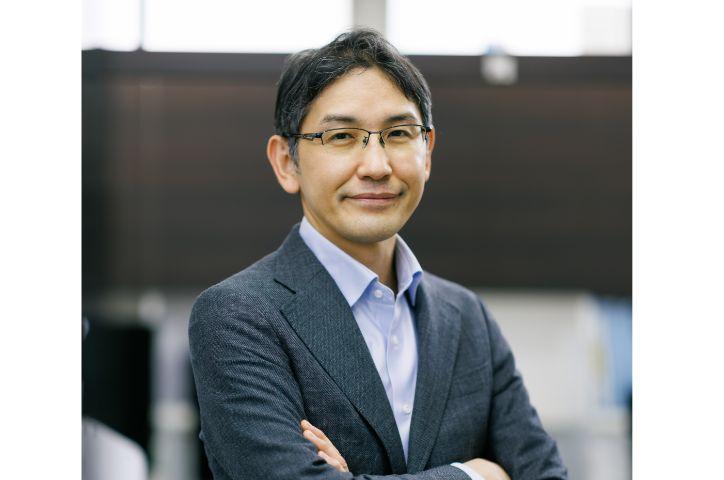
Koji Hase
Professor, Department of Biochemistry, Faculty of PharmacyKoji Hase
Professor, Department of Biochemistry, Faculty of Pharmacy
This interview is reprinted from
"Toshin Shingaku Joho Vol. 426 (July 22, 2022 issue)."
It introduces Professor Koji Hase's research, the atmosphere of his laboratory,
and his message to high school students.
Provided by: Keio University Faculty of Pharmacy
The Elegant Regulatory System of Intestinal Immunity
Professor Koji Hase, who teaches biochemistry at the Keio University Faculty of Pharmacy, specializes in immunology. Immunity is the body's function to escape (免, *men*) from disease (疫, *eki*), such as infections caused by bacteria and viruses. Professor Hase studies the regulatory mechanisms of intestinal immunity.
"The immune system is a system that fundamentally distinguishes between 'self' and 'non-self' (foreign substances) and eliminates only the foreign substances. Dangerous infectious microorganisms also enter the intestinal tract along with food. In other words, the intestinal tract constantly contains a mixture of harmless food, which is 'non-self,' and harmful microorganisms. The intestinal immune system suppresses immunity against harmless substances and activates it against harmful ones. In this way, the immune system can be described as a special system that masterfully uses both an accelerator and a brake, and I find it to be a very elegant system."
Furthermore, it has become clear that metabolites produced by gut bacteria play a crucial role in the intestinal immune system.
"In our experiments, we use germ-free mice that lack gut bacteria, and these mice develop abnormal intestinal immunity. An average person has about forty trillion gut bacteria in their intestinal tract, but in the case of a refractory intestinal disease like Crohn's disease, the number of gut bacteria can be reduced by about half. The diversity of species is also important. We often talk about the 'gut flora.' 'Flora' means plant life, and to put it simply, it's an analogy comparing gut bacteria to a flower garden. Just as a flower garden blooms with a wide variety of flowers, it is better to have a diverse range of gut bacteria. This is because gut bacteria as a whole function as a single metabolic organ. Gut bacteria break down the food we eat, extract energy, and return that energy to the surrounding body. In this process, various complex metabolic activities occur, leading to 'cross-feeding' (the exchange of nutrients between different bacterial groups), where, for example, bacterium B utilizes what bacterium A produces, and bacterium C uses the metabolites from B. Therefore, if a certain bacterium disappears, there are backup bacteria, but if they also disappear, the cross-feeding is interrupted. As a result, there can be a shortage of useful metabolites or an accumulation of abnormal ones, which can cause disease."
It is said that when gut bacteria decrease, lymphocytes, which are responsible for immune function, also decrease, and the amount of an antibody called IgA is reduced to one-tenth. Lymphocytes are a type of white blood cell that attack foreign substances such as pathogens like viruses and cancer cells, and they also remember foreign substances that have entered the body, eliminating them based on this memory upon re-entry. Additionally, when a foreign substance enters the body, proteins with antibody functions are produced to eliminate it, and IgA is one of them.
Metabolic syndrome is also caused by metabolic abnormalities. A person is diagnosed with "metabolic syndrome" if their waist circumference is 85 cm or more for men and 90 cm or more for women, and at least two of the following three indicators—blood pressure, blood sugar, and lipids—are outside the standard range. It accelerates arteriosclerosis, increasing the risk of heart disease and stroke.
"An abnormality in gut bacteria is one of the causes of metabolic syndrome. Metabolites called short-chain fatty acids, produced by gut bacteria, have the function of suppressing fat accumulation. If the production of short-chain fatty acids decreases due to abnormalities in gut bacteria or a lack of dietary fiber, which serves as food for them, fat tends to accumulate more easily. Furthermore, as I will discuss later, abnormalities in gut bacteria promote a decline in the intestinal epithelial barrier. This allows bacterial components to flow into the body, causing inflammation in adipose tissue and accelerating obesity. It also leads to metabolic syndrome, including conditions like hyperlipidemia and diabetes. Thus, chronic inflammation caused by abnormalities in gut bacteria also becomes a factor in the onset of Alzheimer's-type dementia and non-alcoholic steatohepatitis, known as NASH."
Professor Hase is working to elucidate the mechanisms of disease onset caused by such abnormalities in gut bacteria and the immune system.
The "intestinal epithelial barrier" is also one of Professor Hase's research themes. "The intestinal mucosa is covered by a single layer of epithelial cell sheets. Intestinal epithelial cells are connected by molecular 'zippers,' functioning as a strong physical barrier against foreign microorganisms. In addition, goblet cells, one type of intestinal epithelial cell, actively produce mucin, forming a thick mucin (mucus) layer on the mucosal surface. This prevents bacteria from invading the body.
Furthermore, intestinal epithelial cells are also responsible for transporting IgA produced in the body into the intestinal lumen. Thus, intestinal epithelial cells function not just as a physical barrier but also play a role in host defense at the mucosal surface. They also function as sensors that detect information from the external environment (such as bacterial or toxin invasion) and transmit it to the immune system."
For these reasons, the intestinal epithelial barrier is considered to play a crucial role in maintaining homeostasis.
"When the intestinal epithelial barrier is compromised, it leads to a condition called leaky gut syndrome, or 'intestinal leakage.'
In this state, bacteria themselves and bacterial components like endotoxins flow into the intestinal tissue, causing dysregulation of the mucosal immune system. This is thought to be involved in the onset of a wide variety of diseases, such as inflammatory bowel disease, food allergies, and autism spectrum disorder, but many aspects remain unclear. The epithelial barrier and the mucosal immune system are closely related, and we are conducting integrated research in these two areas."
Professor Hase's research group is analyzing the pathogenic mechanisms from the breakdown of the epithelial barrier to the onset of chronic inflammation, aiming to elucidate the pathology of immune-related diseases and establish treatment technologies.
Provided by: Professor Hase
A Flat Relationship with Students
Professor Hase's interest in the intestinal immune system was sparked by his participation in a seminar.
"I hadn't studied immunology as a student, but one day, while working as a researcher at a pharmaceutical company, I attended a seminar at the National Institute of Health and Nutrition. There, I heard about the intestinal immune system. I was deeply moved when I heard the story I mentioned earlier, that 'the intestinal immune system has both a brake and an accelerator, maintaining an exquisite balance.' I had been working on gut bacteria before that, but this reconfirmed for me that 'the intestinal immune system is incredibly interesting.' So, I quit my job, studied abroad, and began to study the intestinal immune system." Since then, for over 20 years, he has continued his research on the intestinal immune system and is currently advancing his work with the students in his laboratory.
"In our laboratory, we conduct research in mucosal barrier science, which involves an integrated analysis of the relationship between the epithelial barrier and the mucosal immune system—both essential for life support—and gut bacteria. Students are researching topics such as identifying bacterial species and nutritional signals that regulate the function of immune cells, and clarifying their relationship with diseases."
In Professor Hase's laboratory, students are treated as individual researchers.
"I encourage students to think for themselves and solve problems on their own as much as possible. After discussing the general theme and direction, I emphasize the practice of having them solve problems with their own ideas. We aim for a relationship between researchers that is as flat as possible within the lab, and calling faculty members 'sensei' (teacher) is prohibited."
All discussions in the laboratory are conducted in English. "The Japanese Society for Immunology has also gone all-English, and if you can't present in English, you can't present to the world. Even if you have interesting results, they are meaningless if you can't communicate them in English, so we have our discussions in English."
In Professor Hase's laboratory, students conduct research freely, debate opinions as equals, and their research findings are disseminated to the world.
A discussion scene in Professor Hase's laboratory
Provided by: Toshin Shingaku Joho
To High School Students Aspiring to Join the Faculty of Pharmacy
"There isn't any particular subject that you absolutely must study. Rather, I hope you will cultivate a wide range of knowledge and a spirit of inquiry. It's important not just to memorize what's written in textbooks, but to question 'why it is so.' Even in university studies, the students who grow the most are those who ask 'why is it so?' and investigate on their own. By doing so, knowledge becomes more firmly established. I want you to always hold the question, 'Why is it so?'
The late Dr. Tomio Tada, a renowned immunologist, said, 'Immunologists should read Shakespeare, and literary scholars should study the theory of relativity.' In other words, to generate new ideas, the brain is stimulated by constantly acquiring diverse knowledge, not just focusing on one specialized field. In fact, Dr. Tada is said to have apprenticed himself to a Noh performer and played the *tsuzumi* (hand drum) during his lifetime. At our Faculty of Pharmacy, you will study everything from physics, organic chemistry, cell biology, biochemistry, immunology, bacteriology, Pharmacology (Division of), and Pharmaceutics (Division of). In other words, you will study most science subjects all over again here. You cannot learn pharmacy without doing so. As you study various fields, you can find a specialty that interests you and pursue it, so in a sense, it's a great deal. After entering university, you can choose a specialized laboratory that suits you. I wouldn't recommend it for those who don't want to study much, but I think it's a great field for those who want to further develop themselves.
Our university has two departments: the Department of Pharmacy and the Department of Pharmaceutical Sciences. The Department of Pharmacy is a six-year program that qualifies you to take the national examination for pharmacists. The Department of Pharmaceutical Sciences is a four-year program, with most students advancing to master's programs and some continuing on to Doctoral Programs. A characteristic of our Faculty of Pharmacy is that a high percentage of students from both departments find employment in the pharmaceutical industry. Of course, many from the Department of Pharmacy go on to work as pharmacists, while a higher percentage of students from the Department of Pharmaceutical Sciences pursue research positions. I believe that your studies and research at our Faculty of Pharmacy will support a diverse range of careers."
A wide range of careers are envisioned after graduation. "As for employment, many graduates go to pharmaceutical and food companies, but recently, IT companies like Amazon, Google, and Sony are also entering the health industry. These companies need personnel who understand both information technology and pharmacy, and I believe employment in such companies will increase in the future."